La Grande Caraïbe expliquée, analysée et racontée autrement

Facing Global Tensions, the Caribbean Must Accelerate Its Energy Revolution

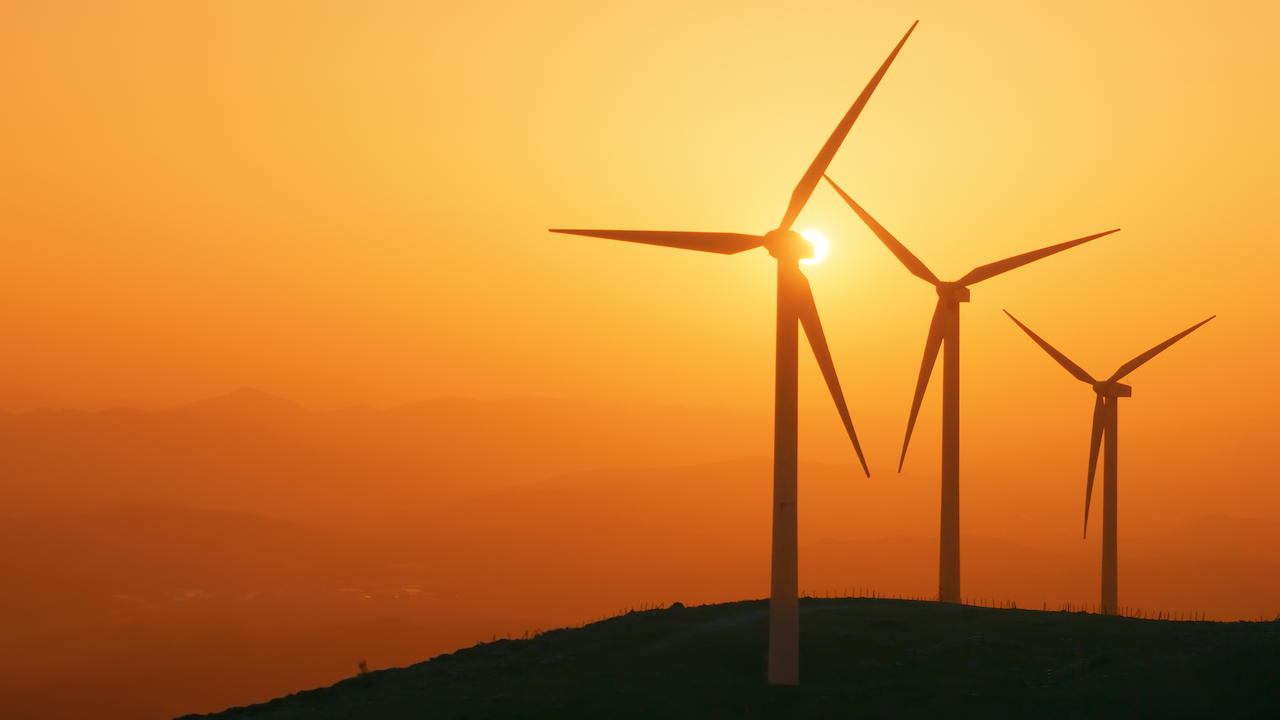
The mounting wave of geopolitical crises is a brutal reminder of the Caribbean’s energy vulnerability. The war in Ukraine, the war in Iran, heightened tensions across the Middle East, great power rivalries, disrupted supply chains: every international shock ripples immediately through Caribbean economies through rising oil and fuel prices.
In a region where the majority of states import almost all of their energy in the form of oil products, this dependency is a strategic weakness. It inflates electricity bills, strains public finances, and deepens economic dependence.
In this context, the transition to renewable energy is no longer purely an environmental objective. It has become a matter of energy security, economic sovereignty, and social stability.
It is well established that small island states are among the economies most exposed to fluctuations in the global energy market.
A Structural Energy Dependency
Across most Caribbean territories, between 80% and 95% of energy consumed still comes from imported oil. This dependency weighs heavily on national budgets and on households.
Electricity generation typically relies on thermal power plants running on diesel or heavy fuel oil. When global oil prices rise, energy bills surge immediately. Governments then face a difficult choice: raise electricity tariffs, subsidise prices at the risk of adding to public debt, or cut spending elsewhere.
This situation slows economic development and undermines the competitiveness of local businesses. In several territories, electricity costs are already among the highest in the world.
An Exceptional Energy Potential
The Caribbean paradox is striking. The region possesses considerable potential in renewable energy.
Sun is available year-round, winds are consistent, geothermal energy is accessible along the volcanic arc of the Lesser Antilles, and some areas hold hydroelectric or marine energy potential. These resources could allow several territories to significantly reduce their dependence on fossil fuels.
A number of countries and territories have already launched structural projects.
Barbados: the pioneer of solar solutions
Barbados stands as one of the most emblematic examples of successful energy transition in the region. As far back as the 1970s, the island put in place a public policy to encourage the use of solar water heaters. Tax incentives and support for the local industry enabled the development of a genuine economic sector around this technology.
Today, more than half of Barbadian households are equipped with solar water heaters. This strategy has reduced oil imports and cut carbon emissions.
Barbados is now expanding into photovoltaics and electric vehicles, with the goal of fundamentally transforming its energy system.
Aruba: wind and solar at scale
Aruba is another pioneering territory in the Caribbean. The Vader Piet wind farm, commissioned in 2009, was one of the first large-scale wind projects in the region. The ten-turbine facility produces around 30 MW of electricity, covering a significant share of the island’s energy demand.
In 2018, Aruba inaugurated the Sunrise Solar Park — a 7.5 MW photovoltaic plant that further increases the share of renewables in the local energy mix.
Thanks to these investments, the island has set itself an ambitious target: to eventually achieve fully renewable electricity generation.
Saint Lucia: advancing solar energy
Saint Lucia has also taken an important step forward with the commissioning of the Vieux-Fort solar plant. The site comprises nearly 15,000 photovoltaic panels with a capacity of around 3 MW, covering approximately 5% of the country’s electricity demand.
This type of installation shows that even small island states can progressively integrate renewable energy sources into their electricity systems.
Geothermal energy: a strategic resource in the Antilles
Guadeloupe already has a geothermal plant at Bouillante, commissioned in the 1980s, which harnesses heat from the volcanic subsoil to generate electricity — making it one of the few geothermal plants in the region.
Along the volcanic arc of the Lesser Antilles, geothermal energy represents one of the most promising energy resources available.
Dominica is now betting heavily on this technology to transform its energy system. A 10 MW geothermal plant project is expected to cover more than half of the country’s electricity demand. In the longer term, the island is also considering exporting electricity to neighbouring territories through regional interconnections.
The Central Question of Financing
Despite these encouraging initiatives, the energy transition remains too slow across the region as a whole.
The primary obstacle is financial. Renewable infrastructure requires significant investment that small island economies often struggle to mobilise.
Several international institutions already support projects in the region. The World Bank, the Inter-American Development Bank, the Caribbean Development Bank, and the Green Climate Fund finance various programmes aimed at accelerating the energy transition.
Stronger regional cooperation could also reduce costs and facilitate the implementation of joint projects.
A Question of Energy Sovereignty
Beyond the environmental stakes, the energy transition raises a fundamental question of sovereignty.
Generating energy locally would reduce dependence on oil imports, stabilise electricity prices, and strengthen economic resilience in the face of international crises.
In a region particularly exposed to the effects of climate change, investing in renewable energy also means aligning international climate commitments with national energy policies in a coherent and credible way.
An Economic Opportunity for the Region
The energy transition also represents a major economic opportunity.
The development of renewable energy could foster entirely new economic sectors: solar panel installation, wind turbine maintenance, energy engineering, electricity storage, training of specialist technicians, and research into energy technologies suited to island environments.
In a region facing high youth unemployment and deep import dependency, building a local energy economy could become a powerful driver of development.
A Strategic Turning Point for the Caribbean
The current international crises demonstrate, once again, that small island economies remain particularly exposed to external shocks. Yet the Caribbean holds considerable assets to succeed in its energy transition. Sun, wind, and geothermal energy offer a potential that remains largely untapped.
The question now is how quickly the region will decide to transform its energy model — and in doing so, strengthen its independence, its resilience, and its economic development.