La Grande Caraïbe expliquée, analysée et racontée autrement

The Greater Caribbean: Toward Sustainable Tourism

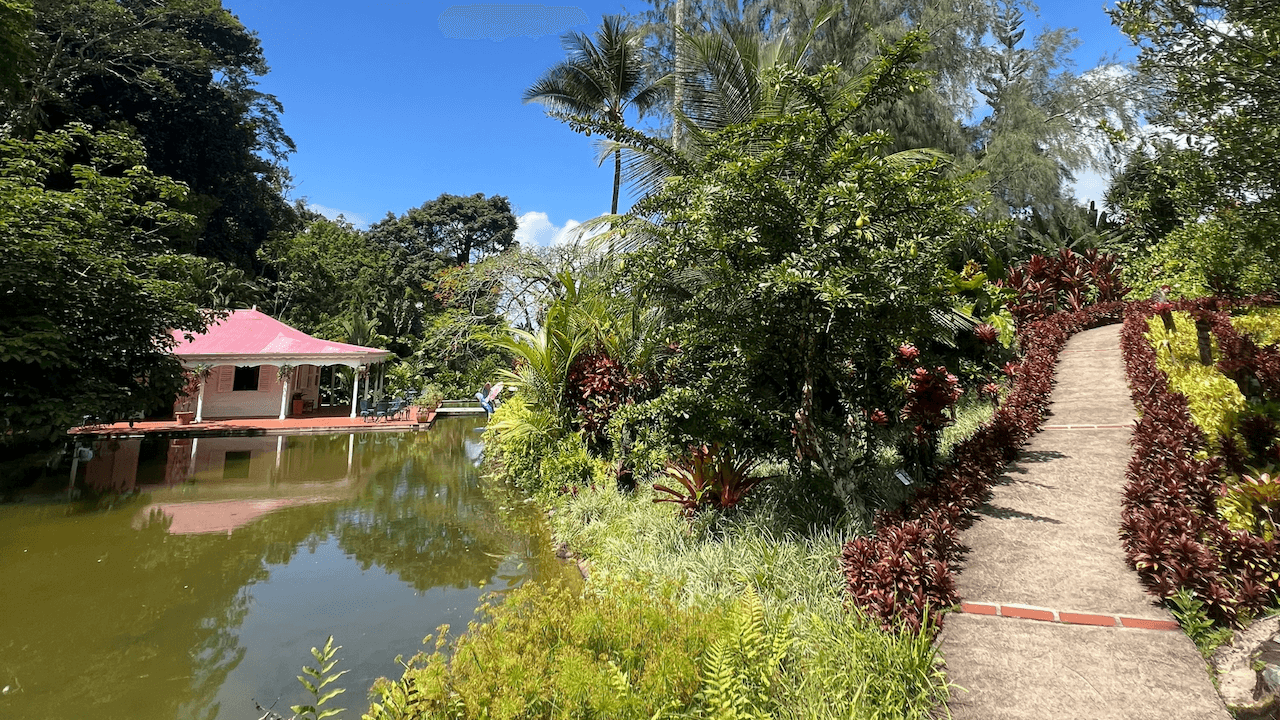
Behind the famous Caribbean postcard image lie fragile territories — increasingly threatened by mass tourism. For these islands to continue to exist in 20, 50, or 100 years, the tourism model needs to be rethought.
Economic Dependency: A Strength and a Trap
Tourism remains one of the region’s economic pillars: it accounts for up to 22% of regional GDP and nearly 2.75 million jobs, according to the World Bank.
Yet this dependency creates a double risk:
- Vulnerability to crises — pandemics, natural disasters, border closures.
- Revenue leakage — a large share of profits flows to international hotel groups rather than local communities.
The World Bank has put forward proposals for building « inclusive and resilient tourism » in the Caribbean.
Pressure on the Environment: Fragile Ecosystems
Beaches, coral reefs, mangroves, tropical forests — these are the jewels of the region. Yet coastal urbanisation, cruise ships, pollution, erosion, waste, and now massive sargassum blooms are intensifying stress on these environments.
One example: in 2025, a record quantity of sargassum — over 38 million tonnes — reached Caribbean coastlines, disrupting beaches, marine life, and tourist activity.
Initiatives are beginning to emerge:
- The Caribbean Coral Reef Stewardship Best Practices Brief, launched by the Caribbean Alliance for Sustainable Tourism (CAST), promotes actions to restore reefs and involve tourism stakeholders in their conservation.
- The Blue Tourism Initiative works to promote sustainable « blue tourism, » closely linked to local maritime communities.
CAST, an initiative of the Caribbean Hotel & Tourism Association (CHTA), provides resources and training to help integrate better practices across the hospitality industry.
Social Inclusion: Putting Residents Back at the Centre
Tourism should not merely be a spectacle offered to visitors, but a driver of local development. Yet too often, residents remain spectators — or worse, victims — of gentrification, rising prices, and exclusion.
To reverse this trend:
- Develop community-based tourism — homestays and circuits managed by local populations.
- Promote local craftsmanship, culture, and traditional festivities (carnival, music, dance). A recent UNESCO report identifies 34 key cultural assets across the Caribbean to be integrated into tourism offerings.
- Strengthen training — especially for women and young people — in green tourism professions.
Diversification and Reducing Seasonality
Many islands depend heavily on peak visitor seasons. When activity stops, the economy falters. Some avenues worth exploring:
- Promote alternative forms of tourism: ecotourism, hiking, cultural tourism, scientific diving, gastronomy.
- Highlight lesser-known destinations (secondary islands, inland areas). The Bahamas, for instance, launched a « Family Islands » campaign to move beyond the Nassau-centred model.
- Encourage longer-stay offers and immersive experiences outside peak season.
Climate Change: The Looming Threat
The Caribbean is on the front line: more intense hurricanes, rising sea levels, soil salinisation, coral bleaching.
Adaptation strategies are becoming essential:
- Building storm-resilient infrastructure and managing coastal retreat.
- Using renewable energy and sustainable architecture techniques.
- Developing continuity plans for tourism in the event of a crisis.
In this context, cooperation and strong regional standards are vital — to prevent a race to the environmental bottom and to pool resources effectively.
Governance and Regional Cooperation
Nothing solid will be achieved without coordination. States, local authorities, and private stakeholders must speak with one voice.
A few examples:
- The Annual Sustainable Tourism Conference (STC), organised by the Caribbean Tourism Organization (CTO), has been running since 1997 to debate sustainable tourism standards across the Caribbean.
- The CTO/CARPHA Regional Tourism and Health Programme is a regional project linking tourism, health, and the environment to strengthen resilience.
- The Dutch Caribbean Nature Alliance (DCNA) fosters cooperation among the Dutch Caribbean islands to preserve nature and connect conservation with tourism.
Inspiring Initiatives Worth Knowing
Moving beyond theory, here are a few concrete examples that are already working:
- Molinere Underwater Sculpture Park (Grenada): Underwater sculptures that serve as artificial reef structures, drawing tourist pressure away from natural coral reefs.
- Finca Gaia (Puerto Rico): An agroecological farm that welcomes visitors to raise ecological awareness and reconnect urban communities with nature.
- Hidden History — Decolonial Tour (Dominican Republic): A guided tour that recounts history from the perspective of Creole populations, rather than the dominant colonial narrative.
Sustainable tourism in the Caribbean is not a marketing gimmick. It represents a survival bet for vulnerable territories. Between ecological protection, social justice, innovation, and local rootedness, the path ahead is a demanding one.