La Grande Caraïbe expliquée, analysée et racontée autrement

The Greater Caribbean and El Niño 2026: An Anticipated Return That Could Shake Things Up

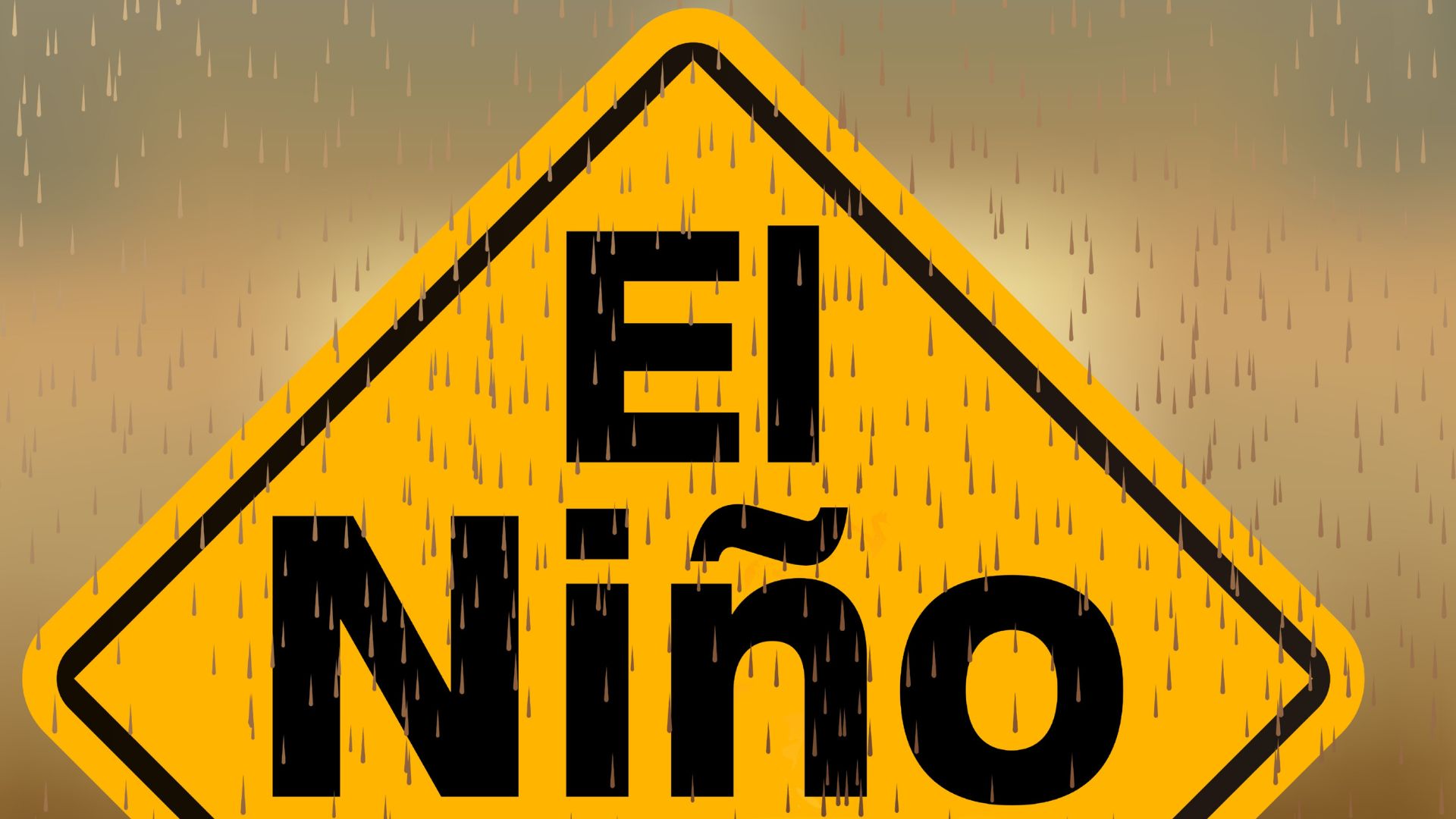
The World Meteorological Organization (WMO) published a climate update on 24 April that deserves close attention. The document signals a growing probability of El Niño returning as early as mid-2026, with potential consequences at a global scale — and therefore, directly, for the Greater Caribbean.
A Shift Underway in the Pacific
The signals are now clear: sea surface temperatures in the equatorial Pacific are rising rapidly. According to the WMO, this trend points to a possible return of El Niño between May and July 2026.
This natural climate phenomenon, which occurs every two to seven years, is associated with an abnormal warming of central and eastern Pacific waters. It directly influences weather patterns around the world.
Climate models are converging on a shared assessment: after a neutral phase, the planet may be entering an El Niño episode that could intensify over the coming months.
A Warmer — and More Unstable — Planet
One of the first expected effects is a widespread rise in temperatures. The WMO is already pointing to a « near-global dominance » of above-normal temperatures over land in the months ahead.
El Niño acts as an amplifier of climate change. It compounds the underlying trends driven by greenhouse gas emissions, increasing the likelihood of record-breaking heat at a global scale.
In some scenarios, scientists even raise the possibility of a strong — or even « super El Niño » — episode, capable of intensifying climate extremes: heatwaves, droughts, or heavy rainfall, depending on the region.
Contrasting Effects on Rainfall
El Niño does not produce a uniform climate. It redistributes rainfall across the planet.
Some regions will experience increased precipitation, while others will face significant deficits. WMO projections already flag major regional variations in rainfall patterns over the coming months. This asymmetric nature is central to understanding the phenomenon: El Niño creates climate winners and losers — often abruptly.
What Is at Stake for the Greater Caribbean?
This is where the issue becomes strategic. The Greater Caribbean is one of the regions most sensitive to the climate shifts associated with El Niño.
First challenge: hurricanes. El Niño tends to alter hurricane activity in the Atlantic. Historically, it can reduce the number of storms, while influencing their tracks and intensity. This does not mean fewer risks — it means different risks, sometimes harder to anticipate.
Second challenge: droughts. Several Caribbean territories can experience drier conditions during El Niño episodes. This directly affects water access, agriculture, and energy production — particularly on islands dependent on hydroelectricity.
Third challenge: localised extreme rainfall. Conversely, some areas may experience intense rainfall events, with risks of flooding and landslides. This variability complicates the management of island territories that are already vulnerable.
Fourth challenge: agricultural and tourism economies. Climate impacts directly influence agricultural yields, food prices, and tourism attractiveness. The example of Latin America shows that El Niño effects can profoundly disrupt agricultural cycles — with losses, or occasionally gains, depending on rainfall conditions.
A Warning, Not a Surprise
What the WMO is saying is not a surprise — it is a confirmation. The climate system is entering a phase where extreme events are becoming more frequent and more intense. El Niño is not new. What has changed is the context: a climate already warmer, territories more exposed, and island economies that are often fragile.
For the Greater Caribbean, the challenge is not simply to monitor the phenomenon. It is to anticipate, adapt, and strengthen resilience. Climate warnings like this one are never abstract in this region. A few months later, they translate into concrete realities: water stress, weakened crops, or infrastructure pushed to its limits.