La Grande Caraïbe expliquée, analysée et racontée autrement

Russia – Cuba: Why Moscow Is Defying the US Energy Blockade

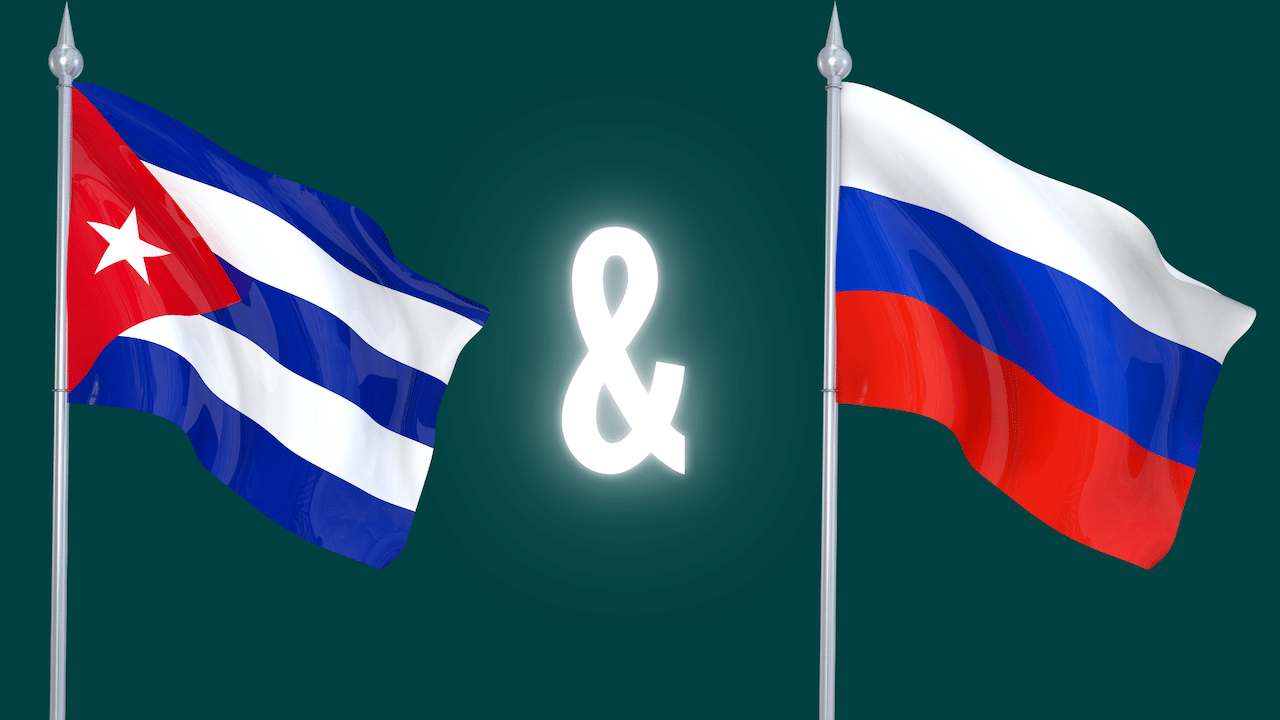
Just days ago, a Russian-flagged oil tanker entered the port of Matanzas, on Cuba’s western coast. On board: 730,000 barrels of crude – the first oil shipment the island had received since 9 January 2026.
Three months of energy blockade. Twelve-hour daily power cuts. Food rationing. And it was Russia that broke the silence. Not Europe. Not Latin America. Moscow. Why? The answer is at once historical, strategic, and deeply geopolitical.
I will skip the historical background, as I covered the relationship between these two countries in a previous post — a Cold War legacy that never truly faded.
An Alliance Rekindled by American Pressure
In 2026, pressure from Washington has drawn the two countries closer together again. Since the start of the year, Cuba has lost its Venezuelan ally following the capture of Nicolás Maduro by US special forces. Mexico suspended its oil deliveries under threat of American tariffs. The result: Cuba is producing barely 40% of the fuel it needs and depends on imports to keep its crumbling energy grid running.
It is into this void that Moscow has stepped. Kremlin spokesman Dmitry Peskov stated that Russia considers it its duty to provide Cuba with the necessary assistance under the current circumstances. Russian foreign ministry spokeswoman Maria Zakharova was even more direct: « Cuba is our friend and closest partner in the Caribbean basin — we have no right to abandon her. »
A second tanker is reportedly being loaded as we speak. Moscow has no intention of stopping there.
What Russia Is Really Getting Out of This
Let us be clear: solidarity between states is never purely selfless. For Moscow, supporting Cuba in 2026 carries several major strategic advantages.
A foothold in the Caribbean. Since the invasion of Ukraine, Russia has been diplomatically isolated in Europe. The Caribbean – just 90 miles from the United States — represents a significant geopolitical pressure point. Keeping Cuba within Russia’s sphere of influence means maintaining a thorn in America’s side.
A lever in the global balance of power. The two nations share common positions on the major items on the international agenda – defending multilateralism and international law against what Díaz-Canel calls « the punitive and coercive rules of the West. » Cuba votes consistently alongside Russia at the United Nations, including on the war in Ukraine.
A signal to the rest of the Global South. By breaking the blockade, Russia is sending a message to every country hesitating to align with Washington: we protect our allies. Russia has also backed Cuba’s membership of BRICS as a partner country.
Trump’s Paradoxical Calculation
The episode also reveals a striking contradiction on the American side. Trump’s decision to allow Russia to deliver crude oil to Cuba – despite the de facto US embargo in place since January — allows him to avoid a direct confrontation with Moscow, while simultaneously throwing the communist island a lifeline.
In other words: Washington is suffocating Cuba, but letting Putin throw it a lifebuoy. This incoherence illustrates the internal tensions running through current US foreign policy – maximum pressure on Cuba on one hand, and the need to avoid opening a new front with Russia on the other.
A Relationship That Endures, Whatever Happens
What is striking about the Russia–Cuba relationship is its resilience. It has survived the collapse of the USSR, the isolation of the 1990s, and changes of regime in Moscow. At the recent Russian–Cuban intergovernmental commission held in Saint Petersburg, Russia reaffirmed that its relations with Cuba are built on deep historical experience, mutual respect, trust, and close bonds of friendship.
Today, with an intensifying American blockade and a Trump who has promised to « deal with Cuba after Iran, » Russia stands as Havana’s last major external ally.